Why Buying Kids’ Clothes One Size Up Can Waste $200–$500
You’ll learn the exact moments a size jump protects the budget and the scenarios that turn it into a costly mistake. Most guides overlook growth speed and resale reality, leaving parents to overpay.
See current offers
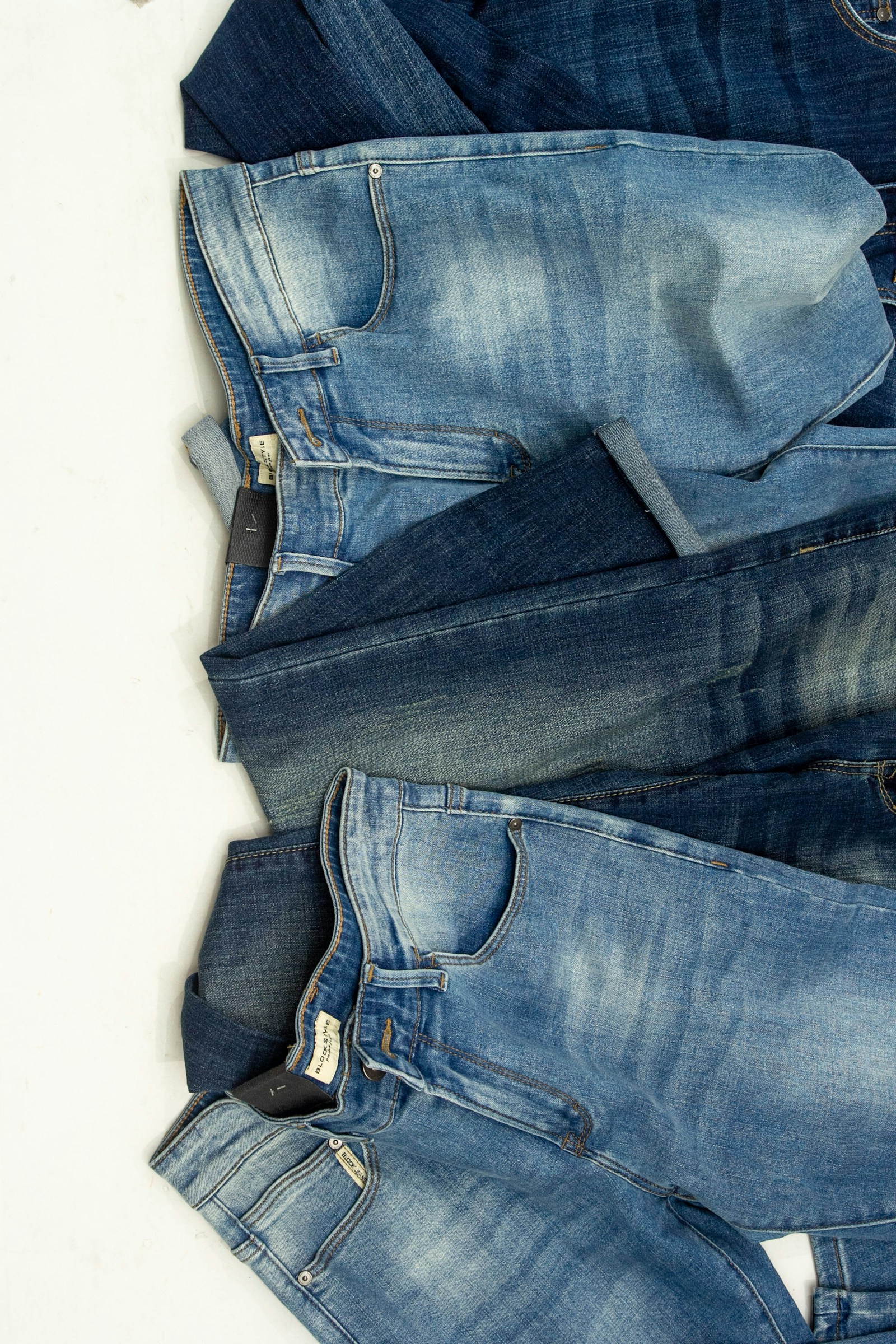
Kids outgrow a tee faster than a toddler outgrows a diaper, and the temptation to buy the next size up spreads like a discount rumor in every parenting chat. The math looks clean—pay a little more now, avoid another purchase in two months—but hidden variables often flip the equation, draining the family fund before the first wash is even done.
When does a size jump actually save money?
A growth spurt that lasts six to eight weeks creates a narrow window where a larger shirt can survive two or three washes before it becomes a hand‑me‑down for a younger sibling. In that sweet spot, the per‑wear cost drops dramatically compared to buying a brand‑new size every month. Retailers that bundle the next size with a modest price bump—often $10–$20 for a top that would otherwise cost $30 alone—are banking on that exact timeline.
If you pair the larger piece with a seasonal clearance, the unit price can fall below $5 per wear, a figure that beats the average $12–$15 per‑wear cost of buying a fresh size each month. The key is aligning the purchase with a known growth plateau, such as the period after a growth‑hormone‑influenced holiday break.
What hidden costs turn a bargain into a loss?
A size up may sit perfectly on the rack, but the hidden expense of altered fit often forces an early donation. That donation costs you the original purchase price plus the emotional price of a missed resale opportunity. Online resale platforms typically take a 15–30 % commission, cutting the recovered amount to a fraction of the outlay.
Furthermore, larger garments frequently require additional tailoring to look presentable, especially for formal occasions. Tailor fees in most suburbs range from $8 for a simple hem to $25 for a full adjustment, eroding any savings you thought you had. When you factor in these adjustments, the net savings can evaporate entirely.
How fast do kids outgrow the extra room?
The average toddler adds about two inches in height every three months during the first two years, and weight can increase by a pound per month. A shirt that is two sizes larger may become oversized in as little as four weeks if the child is on the fast‑track growth curve. In those cases, the garment sits in the closet, accruing dust instead of wear.
Conversely, a child who follows the median growth pattern may stay within the larger size for six to nine weeks, providing a realistic buffer for the extra cost. Parents who track growth charts on a spreadsheet can pinpoint those median windows and avoid the guesswork that leads to premature obsolescence.
Which retailers let you gamble without breaking the bank?
Warehouse clubs often sell multi‑packs of size‑up basics at a unit price that undercuts department stores by 30 % or more. A pack of six toddler tees, each labeled “2‑size larger,” can land between $40 and $70, translating to roughly $7–$12 per shirt before any wear.
Boutique online stores sometimes offer “grow‑with‑me” collections, pricing the larger size at a premium of $5–$10 over the standard size. While the markup looks small, the overall cost rises quickly when you need multiple pieces for a season. Checking the return policy—many boutique sites allow a 14‑day window with a restocking fee—helps you gauge the risk before you commit.
Practical steps to size up without overspending
- Measure twice, buy once. Use a flexible tape measure to record height, chest, and waist every month. When the numbers sit within five percent of the next size’s chart, you’ve hit a buying cue.
- Set a budget band. Allocate no more than $25–$40 per larger item, including taxes. This ceiling forces you to compare unit prices across stores and avoid premium “grow‑with‑me” tags that exceed the band.
- Scout clearance aisles first. End‑of‑season sales often discount the next size by 40 % to 60 %. A $30 jacket reduced to $12 delivers a per‑wear cost that beats a $20 regular‑size jacket bought at full price.
- Test resale potential. Before buying, glance at recent listings for the same item in the larger size. If the average resale price sits at $8 or less, the after‑tax net recovery will be negligible, signaling a poor investment.
- Factor in alteration costs. Add $10–$15 to your total if you anticipate a hem or cuff adjustment. Subtract that sum from the projected savings; if the remainder is under $5, skip the purchase.
By following these checkpoints, you keep the extra‑size gamble within a predictable financial range, turning a potential loss into a calculated, low‑risk play.
What to double‑check before you click “buy”
- Verify that the retailer’s size chart matches the brand’s standard; discrepancies of an entire size are common and can invalidate your budget math.
- Confirm the return window and any restocking fees; a 30‑day free return beats a 7‑day window with a $5 charge when you later discover the fit is off.
- Ensure the item’s fabric composition can withstand a quick wash without shrinking; cotton‑rich blends are safest for size‑up experiments.
A quick audit of these three items saves you from surprise expenses and keeps the household ledger balanced.
See current offers
Other offers this week
Cheap Jeans vs Expensive Jeans: Where Quality Actually Changes
A $25 pair of jeans and a $150 pair can look similar on the rack. Here's how fabric, stitching and fit affect durability, and where to find good value.
Everyday Sneakers Under $60 That Don't Fall Apart in Three Months
Cheap sneakers can be comfortable and durable, or a waste of money. Here's what to look for in an affordable everyday sneaker.